E-commerce development
Online stores on a hosted platform or your own stack, connected to your ERP and owned by you.

E-commerce development means setting up a store where products, payments, shipping and invoices run as one flow. We do it two ways: on a platform such as Shopify, ikas or WooCommerce, or on a stack you own, built with Next.js and Medusa. Which one we recommend depends on your catalog, your pricing rules and the systems the store has to talk to. A hosted platform is enough for most businesses. If it is enough for you, we say so.
What do you need to build an e-commerce website?
Three things: official registrations, accounts in your name and the store's content.
- Registrations: if you sell from Turkey, a tax registration, an entry in the craftsmen's or trade registry, ETBİS registration and e-archive invoicing. The note on the paperwork for an online store in Turkey puts them in order, with their deadlines.
- Accounts: a domain, a payment provider, a shipping agreement and an e-invoice or e-archive service.
- Content: a product list with codes, prices, stock and variants, product photos, descriptions and the legal texts. In Turkey those are the preliminary information form, the distance sales contract, the withdrawal and returns terms and the KVKK privacy notice.
We build the pages for the legal texts and the consent checkbox at checkout, and having your lawyer approve the wording is the safest route. If product codes are inconsistent, the same product opens twice. The note on writing SKU codes sets out the rule. If you have no photos yet, we also do product photography.
When should you move to your own stack?
Starting on a hosted platform is the right call for most businesses. If one of these sounds familiar, it may be time for a system of your own:
- You need different prices for dealers, business buyers and consumers, and the platform does it through plugins that fight each other.
- Your catalog runs to thousands of products. Customers search by part code, size or brand, not by name, and the search box does not understand them.
- Stock and prices live in the ERP and again in the store. Someone reconciles them by hand every morning.
- You sell in several languages or through several storefronts, and each one is another subscription.
- Commissions and plugin fees grow with every sale.
If you sell a few hundred products from one price list, a hosted platform is probably cheaper, and then we build on WooCommerce, ikas or Shopify. Building a system you do not need helps no one. We compared the two routes in the note on a ready-made platform or custom e-commerce.
Hosted platform or your own stack?
| Hosted platform (Shopify, ikas, WooCommerce) | Own stack (Next.js and Medusa) | |
|---|---|---|
| Time to launch | Days | Weeks |
| Running cost | Subscription, commission, plugins | Server and maintenance |
| Dealer and B2B pricing | Through plugins, limited | Part of the data model |
| ERP link | If a connector exists | Built to your needs, both ways |
| Search | The platform's own | Understands codes, sizes and brands |
| Code and data | On the platform | Yours |
How does e-commerce development work?
- Discovery. We go through your catalog, pricing rules, order flow and the systems you use. The result is a scope that says what will be built and what will not.
- Data model. Products, variants, price lists and customer groups are modeled before any code. This is where the mistakes that cost most later are made.
- Storefront and core. Next.js for the storefront; Medusa for cart, orders and payments. Card payments through PayTR and a quote flow for business buyers.
- Migration. Products, customers and order history move over; every old URL redirects permanently to its new page.
- Launch and watch. We go live at a quiet hour and watch orders, payments and search logs with you in the first weeks.
On a hosted platform the steps are the same, and two of them get shorter. The data model fits the platform's mould and the storefront is adapted from a theme. Payment, shipping and e-invoice connections are set up one by one and tried with a test order either way.
How long does it take?
Less on a hosted platform, longer on your own stack, where the data model and the storefront are written too. But preparation sets the timeline more than the code does, and the schedule comes out of discovery along with the scope. Four things stretch or shorten it:
- Content being ready. If the product list, photos and descriptions are ready, the work stays on the code side. If not, the build waits for them. How clean the list is matters more than how long it is, because products are imported from a file in bulk.
- Number of connections. Payments, shipping, e-invoicing, ERP and marketplaces are each set up and tested on their own.
- Migration. If you are moving from an existing site, every old URL gets a new match and is tested before launch.
- Outside approvals. The payment provider application and the shipping agreement run between you and that company. Starting them alongside discovery shortens the schedule.
What sets the price?
Scope does, which is why there is no package price here. What grows the scope: hosted platform or own stack, how many systems the store connects to, whether the design is adapted from a theme or made for you, how many languages, and whether dealers need their own prices. Dealer pricing and quote flows are covered on the B2B and dealer ordering system page.
Not every connection is needed. If you take a few orders a day, typing them into your accounting software by hand is enough, and the note on getting e-commerce orders into your accounting software compares the other routes. Orders, invoices and shipping can run automatically without an ERP too. When an ERP earns its place is in the note on whether your store should talk to the ERP directly.
Besides the build there are running costs: a platform subscription or server and maintenance, the payment commission on every sale, shipping, e-invoice credits and paid plugins. The note on what an e-commerce website costs to build and run shows how to add them up for a year, line by line.
What do you get on your own stack?
- The full source code, in a repository under your account
- A Next.js storefront, the Medusa commerce core and its admin
- Card payments through PayTR and quote requests for business buyers
- Search that understands part codes, sizes and brands together (Typesense)
- Stock and price sync with your ERP; details on the ERP setup and integration page
- Structured data for product pages, sitemaps and a Google Merchant Center feed
- A redirect map from old URLs to new ones
- Written documentation on who runs the system and how
A ready-made theme or a custom design?
A well-chosen theme is often enough for a new store. On a hosted platform we adapt the theme to your brand, but the platform decides how far it can change. Where that limit starts is set out on the ikas store setup and Shopify store setup pages. On your own stack the storefront is designed from scratch for your brand and tied to no theme.
Are payments and shipping part of the setup?
Wiring them into the store is: payment integration and shipping integration are part of the build, but you sign the contracts, in your name. In Turkey you get a virtual POS from your bank or from a payment institution such as PayTR or iyzico. The note on getting a virtual POS in Turkey covers the difference and what the application asks for. Hosted platforms bring their own shipping deals, while on your own stack you agree terms with the carrier yourself.
Can I move from Shopify, ikas or WooCommerce?
Yes, your data is yours. Shopify and ikas export products, customers and orders from the admin as files, and with WooCommerce the data already sits on your own server. "Lossless migration" is easy to promise. Knowing up front what moves, and how, is more useful:
- Moves: products, variants, images, categories, customer records, addresses and order history.
- Is renewed: customer passwords. Most platforms do not export them, so customers set a new one on first login. We tell them by e-mail before launch.
- Is kept: search rankings. The redirect map is tested URL by URL before launch; afterwards we watch Search Console as old URLs hand over to new ones.
The note on leaving ikas covers what to do in which order, and the note on whether changing platform hurts SEO explains how redirects keep your place on Google.
Who runs the store afterwards?
You run the day-to-day: products, prices, orders, returns and campaigns all go through the admin. At handover we leave written documentation on who does what and how, and we watch the first weeks with you. Updates, backups and security are the platform's job on a hosted platform and the developer's on your own stack. We can take that on as maintenance and support, or, since the code is yours, you can hand it to someone else.
Who owns the code and the domain?
You do. The domain and the payment, shipping and e-invoice accounts are opened in your name, and on your own stack the full source code sits in a repository under your account. On Shopify and ikas the code belongs to the platform, but you can export your products, customers and orders from the admin. The note on what an e-commerce website proposal should include shows how a quote should put this in writing.
A real example
A bearing supplier with more than fifty years in the trade had a large catalog on a hosted platform that was not connected to its ERP. We rebuilt the store on Next.js and Medusa and wired it to Odoo. Stock and prices now come from the ERP, a card order lands in the ERP on its own, and the catalog is live in four languages. Read the case study.
Services in this area
Notes on the subject

ikas, Shopify or WooCommerce for an online store in Turkey?
Selling inside Turkey, pick ikas. Selling abroad, Shopify. Want the server and data in your hands, WooCommerce. Prices, payments and how to leave.
· 5 min read

How do you register as esnaf in Turkey, and which documents do you need?
Take copies of your tax certificate and ID card to your province's esnaf registry office within 30 days. Which office, the fee, the chamber and the certificate.
· 5 min read
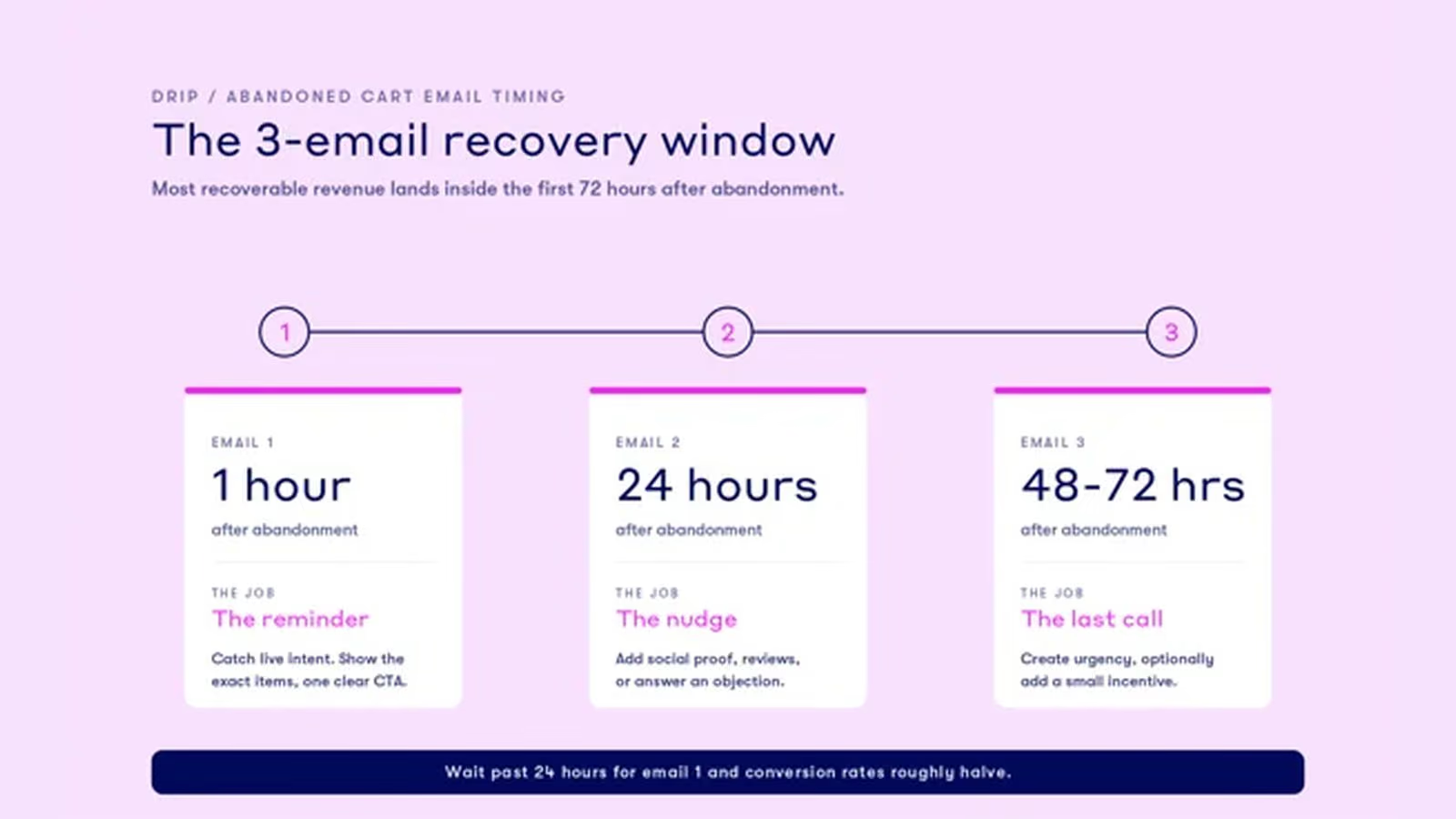
How do you set up abandoned cart emails, and when should they go out?
Send the first reminder about an hour later, the second the next day. Who you can reach, what goes inside, discounts, and stopping once they buy.
· 7 min read

What paperwork do you need to open an online store in Turkey? From sole proprietorship to ETBİS, step by step
A tax registration, a trade or craftsmen registry entry, ETBİS, e-archive invoices and four legal texts on the site. What comes when, and the deadlines.
· 6 min read
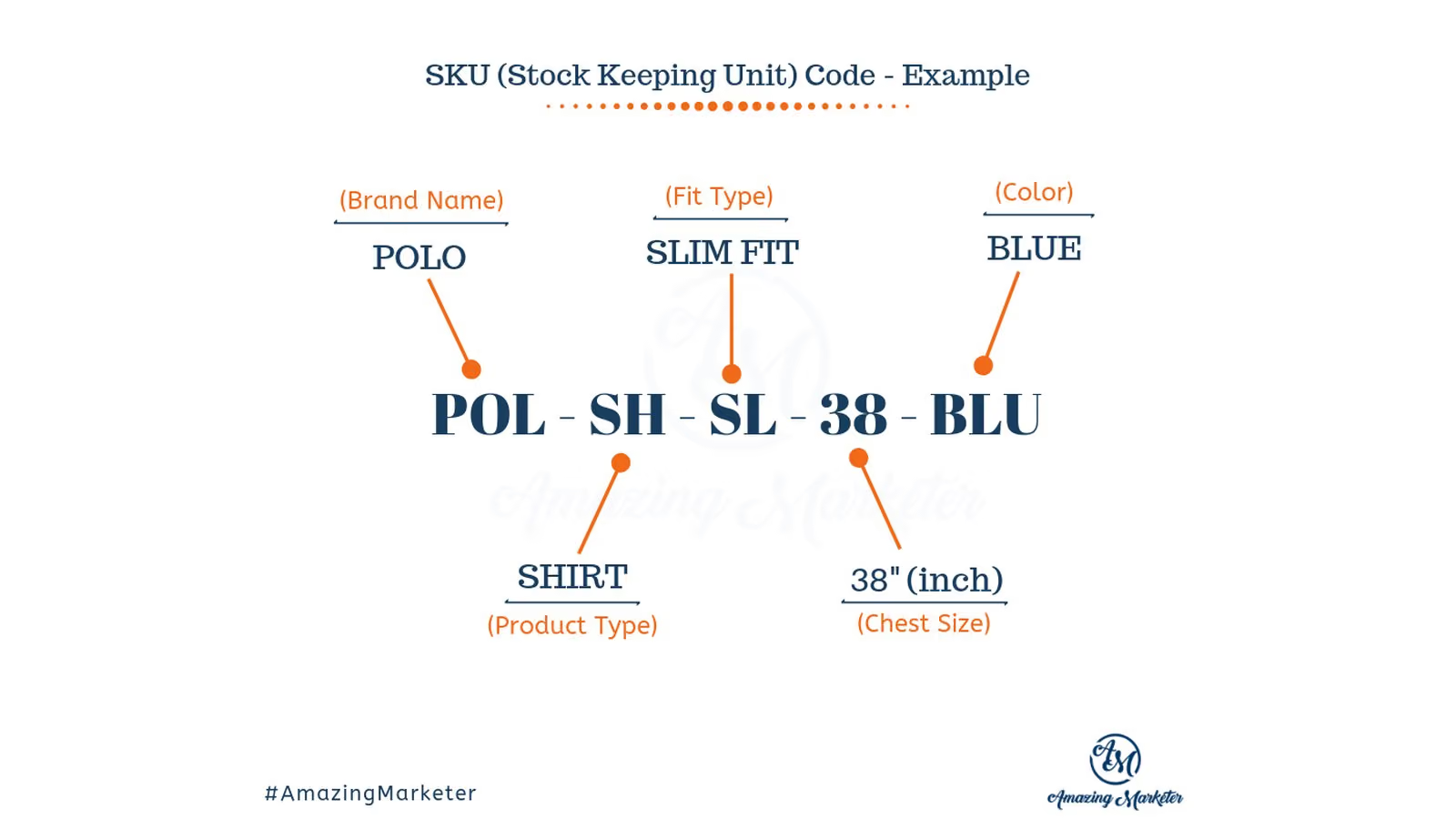
How do you write product codes (SKUs)? Why do duplicate products appear, and how do you find them?
A SKU is your internal code, not the maker's part number or the barcode. How to build one, why you shouldn't rename old codes, and how to find duplicates.
· 7 min read
How do you leave ikas and move to custom ecommerce software?
You can leave ikas: products, customers and orders all export. The real work is keeping every URL the same. The migration order, and what gets forgotten.
· 6 min read

How do e-commerce orders reach your accounting software in Turkey? Paraşüt, Luca and Logo İşbaşı
Three ways in. The program's own module, an app in between, or the API. Who issues the invoice, why marketplace payouts don't match, each program's list.
· 3 min read

Is there a free virtual POS in Turkey? What do virtual POS fees depend on?
No virtual POS in Turkey is fully free. Commission, annual fees, settlement and campaigns, bank or payment institution by turnover, and providers' own rates.
· 4 min read

What should an e-commerce website proposal include?
What has to be written in two proposals before you can put them side by side? Scope, legal pages, running costs, ownership, delivery and maintenance.
· 4 min read
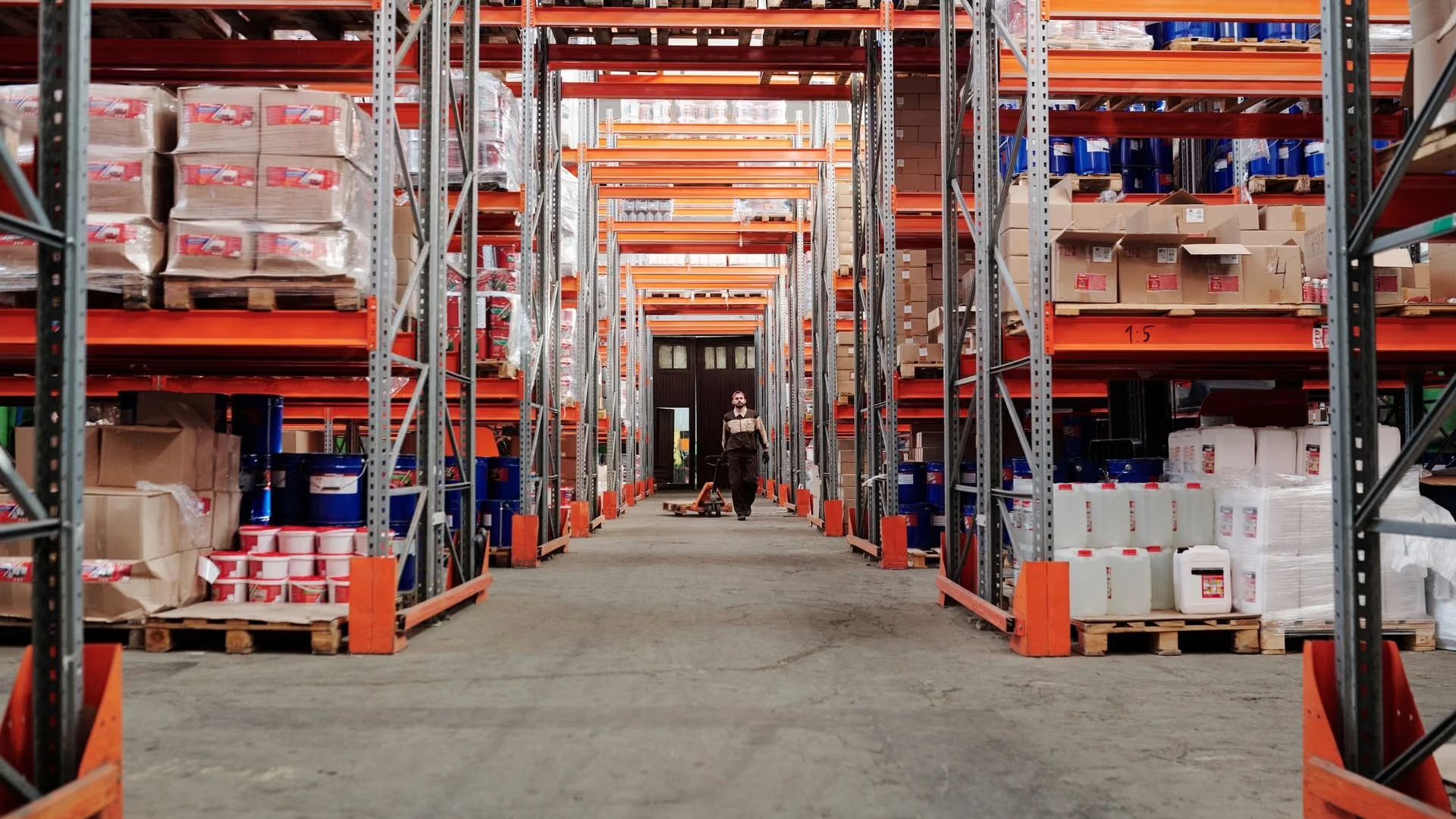
How should you show an out-of-stock product? Hide it or ask for a quote?
Hiding a product you can still supply costs you its page and its place on Google. How to show one that is out of stock, has no current price or is discontinued.
· 6 min read

Should your ecommerce site talk to the ERP directly?
Orders, invoices and tracking can run automatically without an ERP. When do you need one, and should the site connect to it directly or through a layer?
· 7 min read

How do you get a virtual POS in Turkey?
From a bank, or from a payment institution such as PayTR or iyzico? Do you need a company, which pages must the site have, and how do you compare commission?
· 6 min read

How much does an ecommerce website cost to build and run?
The plan price is only part of the bill. Which items set the yearly cost of an ecommerce site, on a ready-made platform and on custom software?
· 6 min read
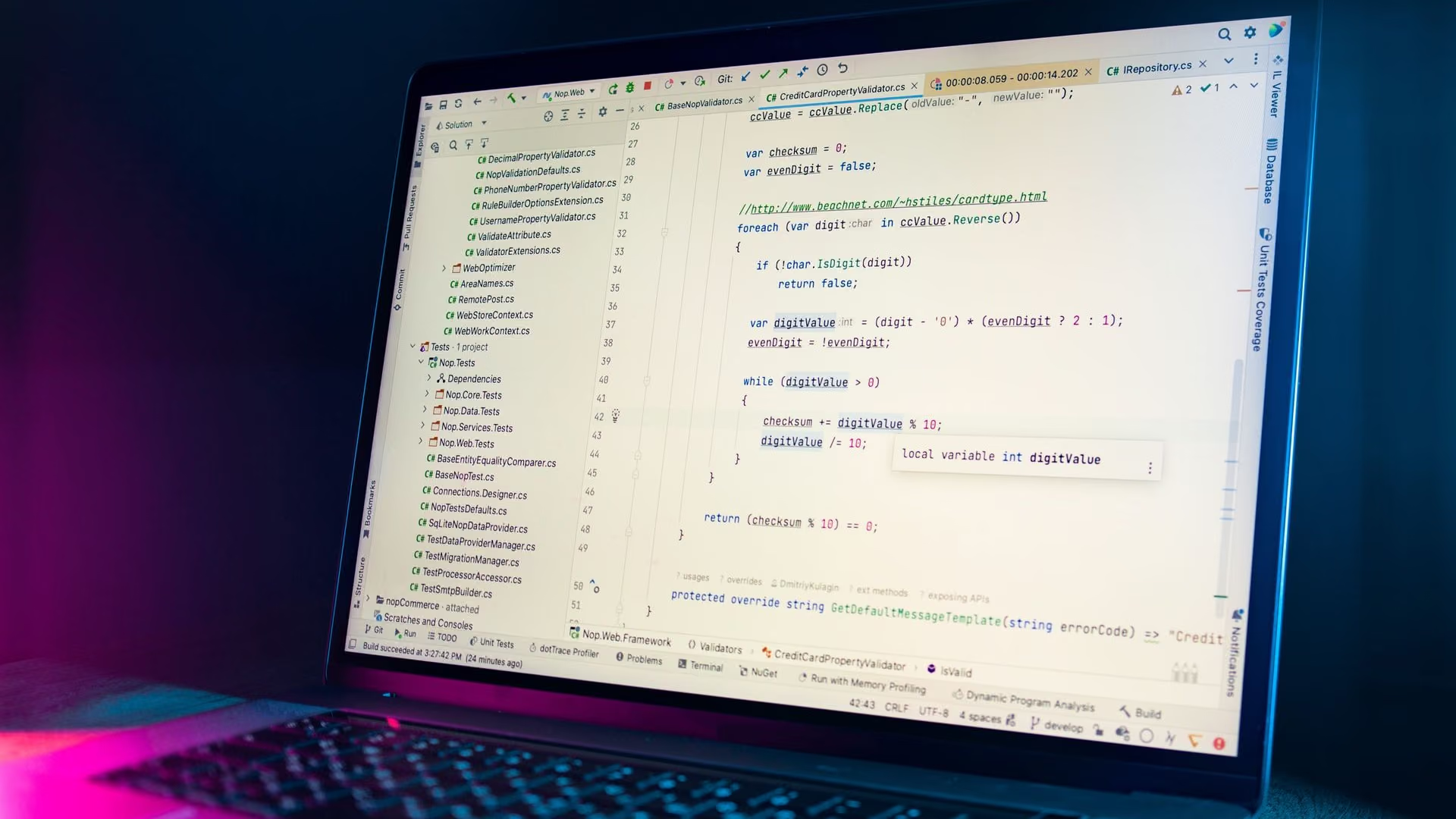
Should you use a ready-made platform or custom software for your online store?
Ticimax, ikas and IdeaSoft get you selling fast but tie you to the platform. When custom software makes sense, and what to settle before you commission it.
· 6 min read
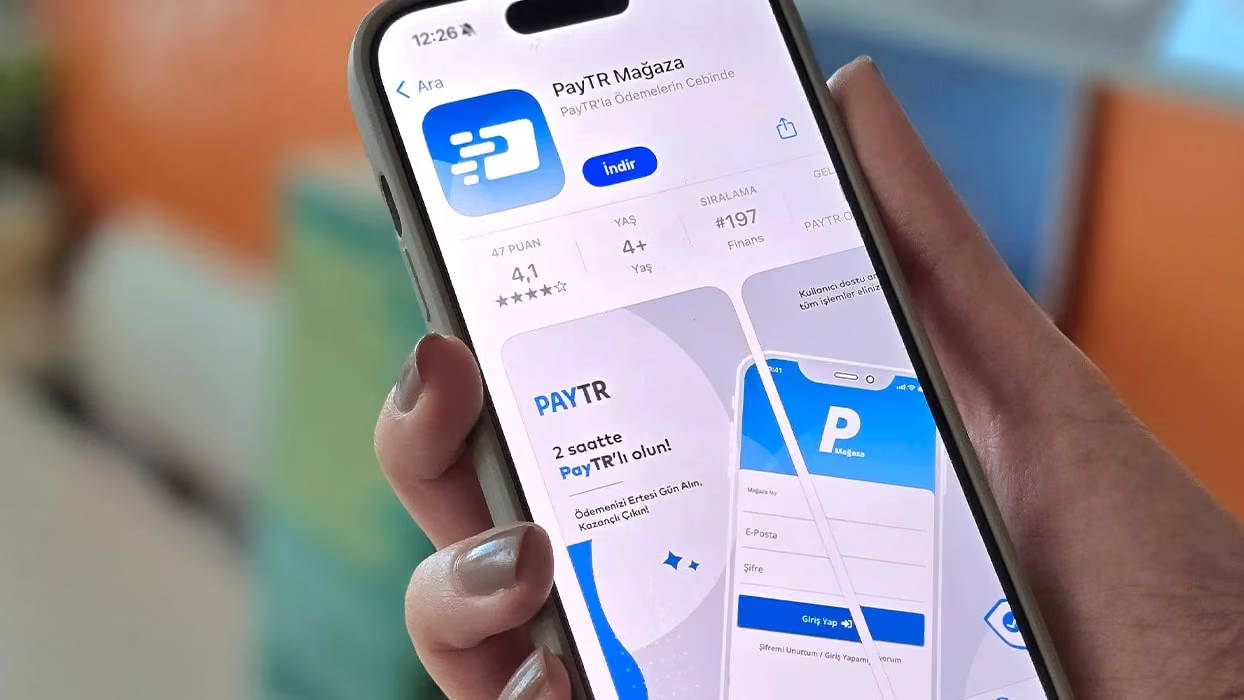
How do you integrate PayTR with WooCommerce, and what should you watch for?
Installing PayTR's WooCommerce plugin takes minutes. When a paid order is not confirmed, the cause is almost always the notification URL.
· 5 min read