Technical SEO and site speed
Crawling, URL structure, structured data and speed. The technical ground you need to show up on Google, and the work that feeds it.

Technical SEO is everything done so Google can crawl and understand your site without trouble and the site opens fast. Search terms, URL structure, structured data and site speed all belong to it. But showing up on Google is not only a technical matter. When a company's digital marketing, sales and management do not work together, even the cleanest site does not stand out.
What does technical SEO cover?
First we check whether Google can find your site, then whether it understands it, and finally how fast it is served.
- Crawling and indexing. Which pages are open to Google, which are closed by mistake, and which count as duplicates.
- Search terms and URL structure. The phrases people really type should appear naturally in titles and addresses, and addresses should be readable and permanent.
- Structured data. Products, questions and answers, and business details are marked up in a form Google understands. Reviews and ratings showing up as rich results depends on it.
- Site speed. Images, JavaScript and caching are measured and improved. The details are in the note on how to speed up your website.
Is technical SEO enough, and why am I still not showing up on Google?
Technical work prepares the ground but does not bring authority. In our experience, earning authority on Google can take two to three years. During that time, whether users search for your company by name, how long they stay on the site and where they click all affect your ranking. Reviews, ratings and rich result formats deserve care too.
Google has to give the person asking the most relevant and best answer. If your site does not stand out, you are doing something wrong, and more often than not it is the content itself rather than a title tag. We listed these causes in the note on why your site is not showing up on Google.
There is also a general observation. Since Google started showing AI summaries, clicks to websites have generally gone down. People ask their questions directly to AI and spend time on social media. So you need to work not only for clicks but for people searching your brand by name. Duplicate and spam content is also filtered out much harder now. Inflating your page count does not help, and we covered that in the note on whether publishing too many pages can sink your site.
Who is technical SEO for, and who is it not for?
It suits businesses whose site opens slowly, whose pages are not being indexed, or who are about to rebuild a site and do not want to lose their addresses. It is not for someone who cannot produce content regularly, or who wants a promise of page one within a month. We do not make that promise.
We build our own site to the same standards. We handle crawling, structured data and speed together with the site itself, and we share in writing what changed and why.
Notes on the subject

Should AI bots read my site? What to allow and block for ChatGPT, Perplexity and Claude in robots.txt
For most businesses, yes. Training bots and answer bots differ. Which to allow, which to block, a sample robots.txt and what to do about bots that ignore it.
· 6 min read
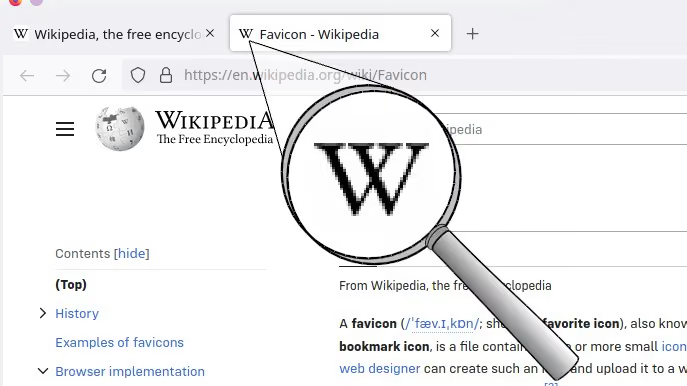
Why is my site's icon not showing in Google?
A grey globe instead of your logo in search results? Google's favicon rules, the common mistakes and a one-minute check you can run yourself.
· 3 min read

Does semantic HTML improve your Google rankings?
According to Google's own documents, semantic HTML does not raise rankings directly. Its real value is accessibility and maintenance, and here is why.
· 5 min read

How do I speed up my website? Images, JavaScript, caching and prefetching
To speed up a website, measure Core Web Vitals with real visitor data first, then fix images, JavaScript, plugins and caching in that order.
· 5 min read