Do I really need an ERP? Is a free ERP a good idea?
Not every business needs an ERP; sometimes a spreadsheet or bookkeeping software is enough. When an ERP pays off, and what a free one really costs.

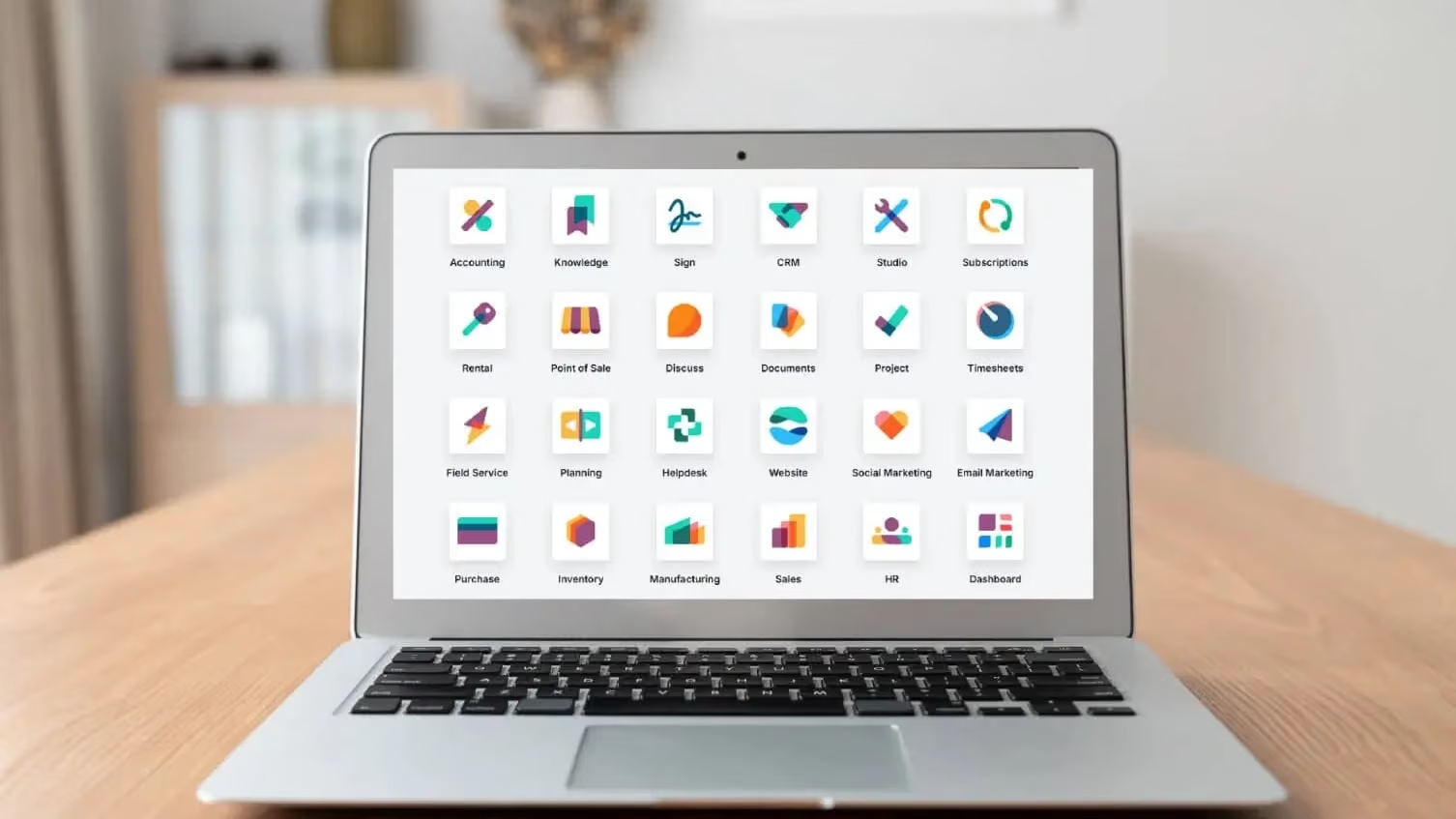
Not every business does. When one person runs it, with one warehouse and one sales channel, a spreadsheet or bookkeeping software such as Paraşüt is usually enough. An ERP starts to pay for itself the day several people and several sales channels touch the same information. Free ERPs exist too, but only the licence is free; the real price is paid in setup, adapting it to local rules and keeping it running.
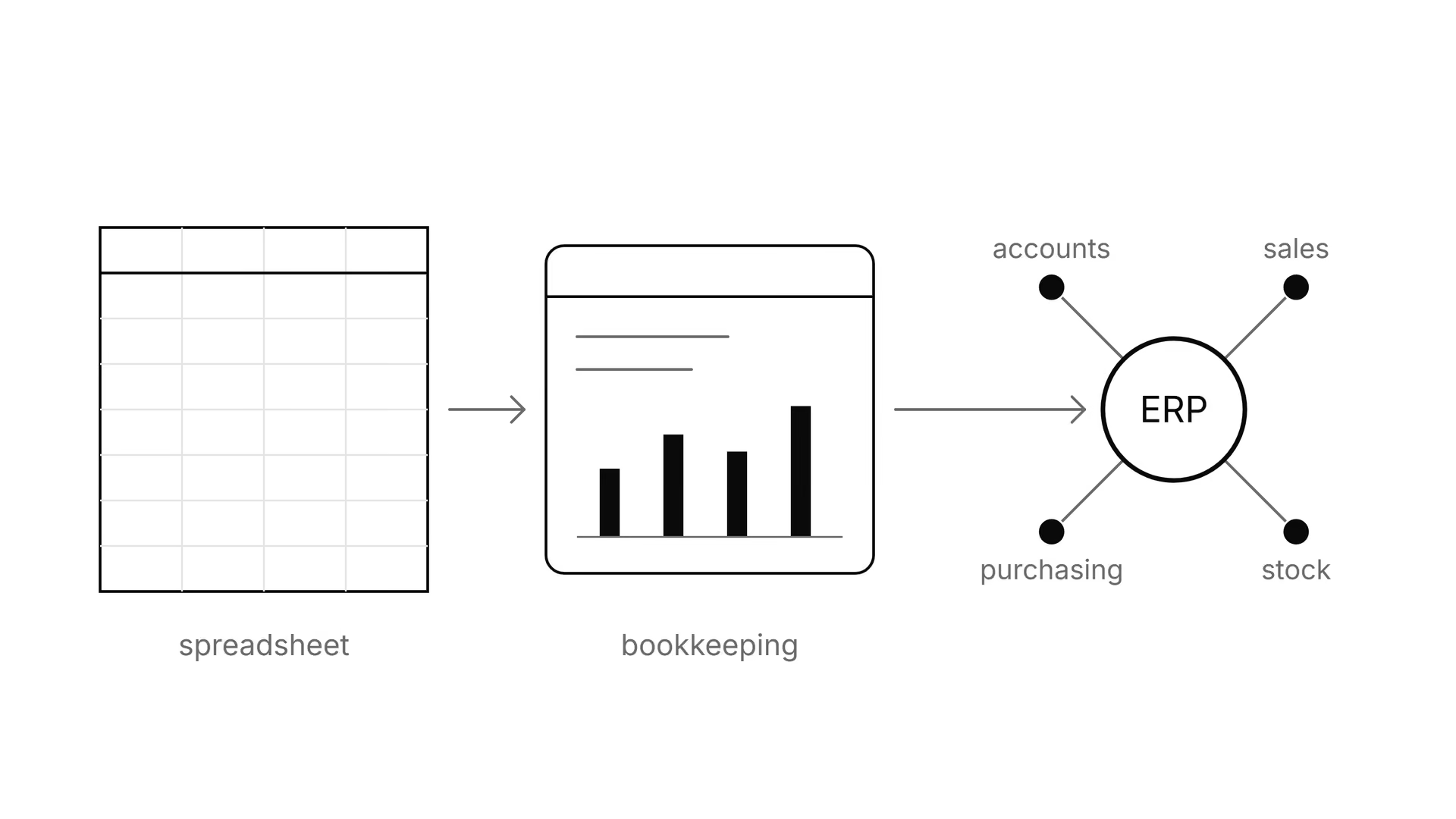
What is an ERP, and what does it do?
An ERP is software that brings a business's whole operation into one record, from sales and stock to purchasing, invoicing and accounting. You enter an order once; stock goes down on its own, the invoice is issued and the accounting entry is created. That is also the difference from accounting software: accounting software records what happened, an ERP runs the work itself. The salesperson preparing the quote, the warehouse picking the goods and the accountant checking the invoice all look at the same record.
When is a spreadsheet or bookkeeping software enough?
If your product range is limited, you sell from one warehouse through one channel, and your accountant closes the month, there is no rush to move to an ERP. Today's bookkeeping software does more than you might think. In Turkey, Paraşüt brings stock and warehouse tracking, customer and supplier accounts, e-invoices, e-archive invoices and e-delivery notes together in one place. Turkish ERP makers also have products for small businesses: Mikro's RUN is for businesses with 1–5 employees and JUMP for 5–50, and Logo offers Start 3 and İşbaşı for small businesses.
When do you need an ERP?
The need is not told by a software's feature list but by everyday friction. If you sell on your site, on a marketplace and in a shop, and you keep selling the same item twice and cancelling one, your stock needs to live in one place. The same goes if you opened a second warehouse, if you buy out-of-stock items from suppliers to fill orders, or if sales, the warehouse and accounts keep the same information in three separate files. The clearest sign is the end of the month: if your team spends days matching rows in spreadsheets, the cost of that work may already exceed the cost of an ERP.
Is a free ERP a good idea?
It can be. The best known is Odoo: its Community edition is open source and free, while the Enterprise edition is paid per user. Odoo also has a plan on its own cloud that lets you use one app for free with unlimited users; the current plans are on Odoo's pricing page. The second well-known option is ERPNext, a fully open-source ERP made by Frappe.
In Turkey the real test is e-invoicing. Odoo's Turkish accounting setup comes with the free edition too, but e-invoicing does not come ready; according to Odoo's documentation it connects through Nilvera, a private integrator approved by the Revenue Administration, and needs a Nilvera account. ERPNext has a Turkish chart of accounts, but we found no official e-invoice support. So the real cost of a free ERP is set not by the licence but by setup, adapting it to e-invoicing and your workflow, hosting, backups, updates and the time your team needs to get used to it. We do the setup and the e-invoice adaptation as ERP setup and integration work. What to connect e-invoicing to, and how, is in our note on e-invoice integration.
Where should the ERP run?
Odoo can run in three places: Odoo's own cloud, Odoo.sh, where you can also run your own code, and your own server. The free and Standard plans run only on Odoo's cloud; Odoo.sh or your own server needs the Custom plan, or you install the free Community edition on your own server. If you host it yourself, Odoo's own rule of thumb helps: roughly two worker processes per CPU core, and about six concurrent users per worker.
There is a legal side too. Under GİB's communiqué, the primary archive of e-documents must be kept within Turkey; only a second copy may be stored abroad. Private integrators' systems must be in Turkey as well. If you plan to run the ERP on a cloud abroad, talk it through with your accountant first. Documents must be kept for five years under the tax procedure law and, for merchants, ten years under the commercial code; make sure the system you choose keeps the data in your hands for that long and lets you export it.
How should you decide?
First write down how your business works today: whose hands an order passes through, how many places each piece of information lives in, what you match by hand at the end of the month. If that list is short, using your bookkeeping software well is enough. If it is long, start with the one process that hurts most; rather than rolling an ERP out across the whole business overnight, moving piece by piece, sales and stock first and purchasing next, is far less tiring. We can also work out which path fits you as ERP selection consulting.