Why is my tracking number not working with Turkish carriers?
The tracking number arrived but says "record not found"? No movement shows until the carrier scans the parcel. When should a seller send the customer what?

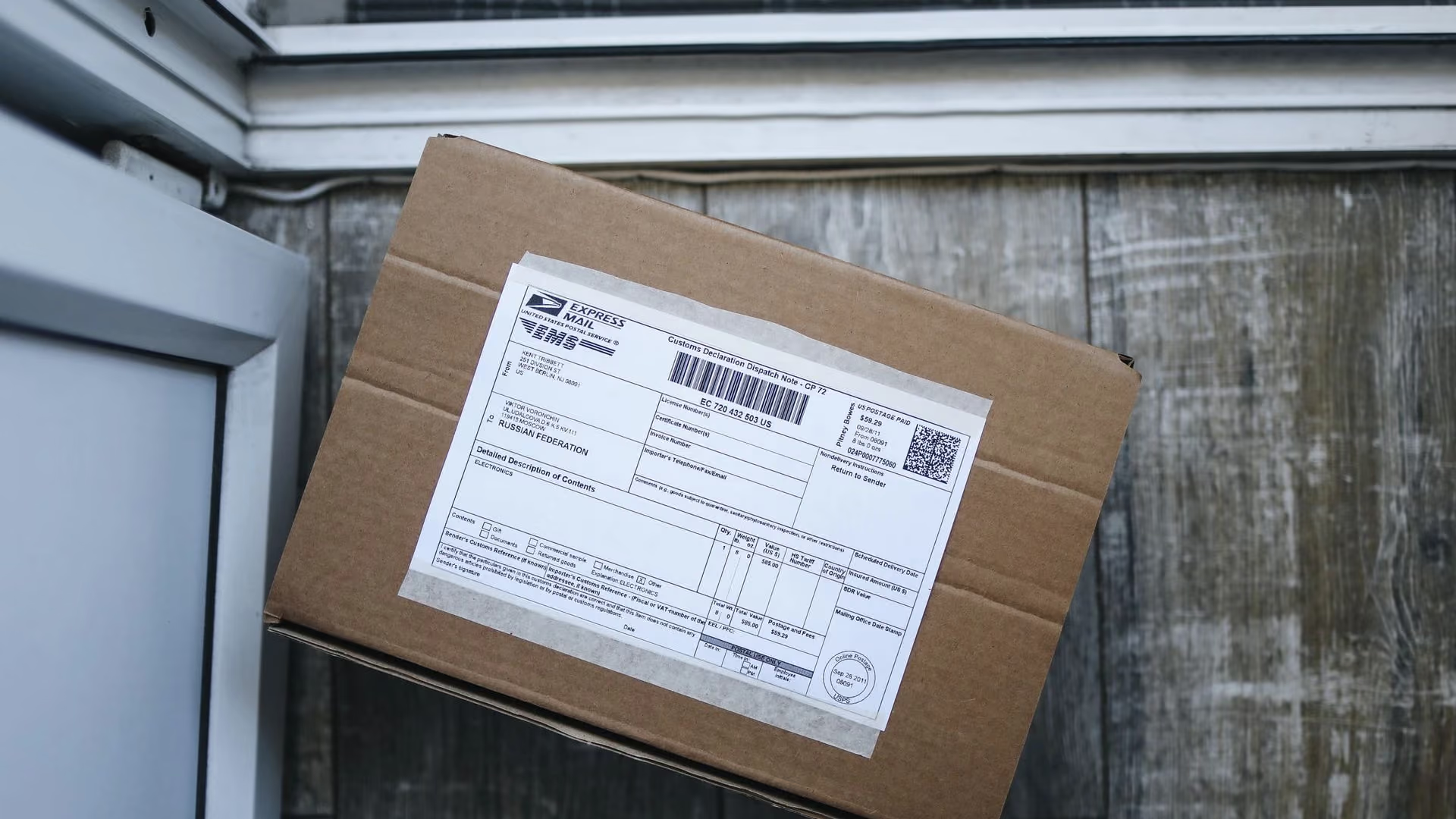
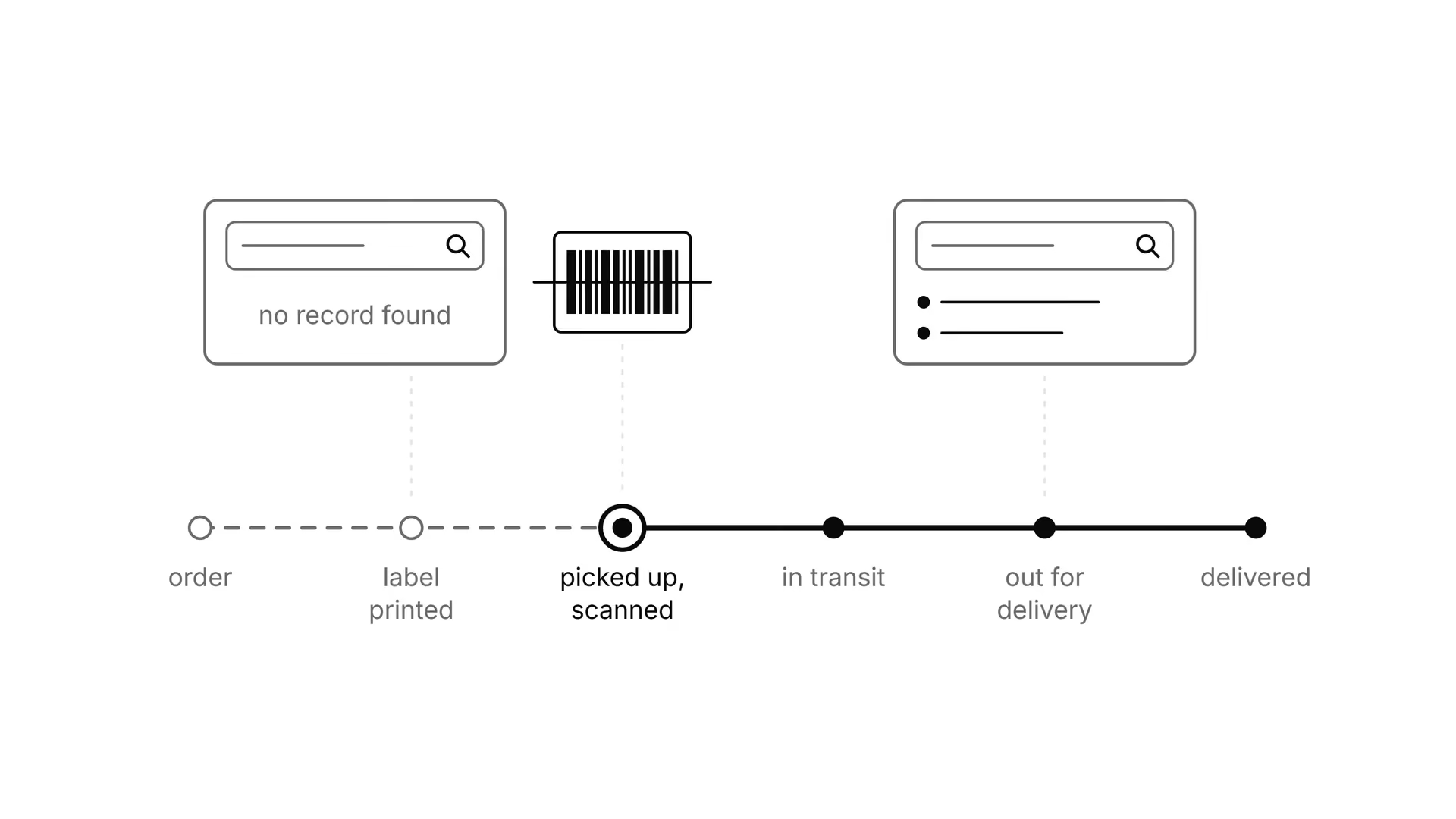
Most of the time because the carrier has not yet scanned the parcel. When the site notifies the carrier of an order, a record is opened in the carrier's system, but the parcel only starts to show movement once a courier or a branch has received it and scanned its barcode. Until then the tracking page can say "record not found" (kayıt bulunamadı). With some carriers, the tracking number the customer uses is created together with this acceptance; the number the site sent is in fact the site's own reference.
Are the order number, the cargo key and the tracking number the same thing?
No, and most of the confusion comes from here. When an ecommerce site notifies a carrier of a shipment through an integration, it sends a unique number it generated itself. Yurtiçi Kargo calls this number the cargo key (kargo anahtarı), Aras Kargo the integration code (entegrasyon kodu). In neither carrier's integration services does the response to the shipment-creation request return a tracking number; tracking information comes from a separate query service. According to Yurtiçi's glossary, the shipment code the customer uses is the 12-digit number on the invoice of the shipment once it has been invoiced; so it does not exist until the carrier has taken the parcel and issued the invoice. The numbers listed for a web query in Yurtiçi's frequently asked questions are also the shipment code, the invoice number, the warehouse receipt number (ambar tesellüm numarası) and the call number; the cargo key the site sends is not on that list.
Other carriers keep their numbers separate too. The tracking page of DHL eCommerce (formerly MNG Kargo) offers two separate queries, by shipment tracking number and by order number, and in Sürat Kargo's service the web order code and the tracking number are separate fields as well. Some carriers have the seller print the barcode itself, and then the number can be known from the start, but in that case too no movement shows on the tracking page until the first scan.
What can the customer do if the tracking number does not work?
First, wait a little: nothing may show on the tracking page until the seller has prepared the parcel and handed it to the carrier. If you do not want to wait, try another number. Aras Kargo lets you query the latest status of ecommerce shipments by order number, and DHL eCommerce's tracking page also has a query by order number. At Yurtiçi, the invoice number or the warehouse receipt number given when the parcel is taken also works. If none of them gives a result, ask the seller: if the parcel was really handed to the carrier, they will have a document the carrier issued.
When should a seller send the customer what?
The most common mistake is to send the customer a "handed to the carrier" email, with the cargo key, the moment the site prints the label. The customer tries the number straight away, sees "record not found" and writes to you. It is better to tell the customer after the first scan, and to send the carrier's tracking link along with the number. Yurtiçi's query service also returns a tracking link for each shipment; the customer clicks it without having to think about where to type the number.
For that, your site has to ask for the status itself. In the public documentation of Yurtiçi, Aras, Sürat and DHL eCommerce, we found no notification service that tells the site by itself when a shipment is scanned; the services on offer are query services. Your site or ERP should query pending shipments at regular intervals, set the order's status to "shipped" when it sees the first movement, and write to the customer then. We build this flow into your site or ERP as part of shipping integration work. Details that differ by carrier, such as where the customer code comes from, are on the Yurtiçi Kargo integration and Aras Kargo integration pages.
Does the seller have to give a tracking number?
No, but the seller does carry responsibility for delivery. The Distance Contracts Regulation has no obligation about giving a tracking number; it asks the seller to give the delivery time and information about delivery before the order. Two other rules matter more. For goods other than those made to the consumer's order, the delivery time can in no case exceed 30 days, and handing the goods to a carrier does not count as delivery to the consumer. If the parcel is lost or damaged in transit, responsibility stays with the seller until delivery. So tracking information is not a courtesy; it is also how a seller keeps an eye on their own business.
Connecting the order to the carrier, and the carrier back to the order and to accounting, takes the same care as keeping an order from arriving twice, which we explained in the note on duplicate orders.