Ready-made theme or custom design for a website? Licence, speed and look-alike risk
What separates a ready-made theme, a customised theme and a custom design, and when each makes sense. Theme licences, updates and speed.

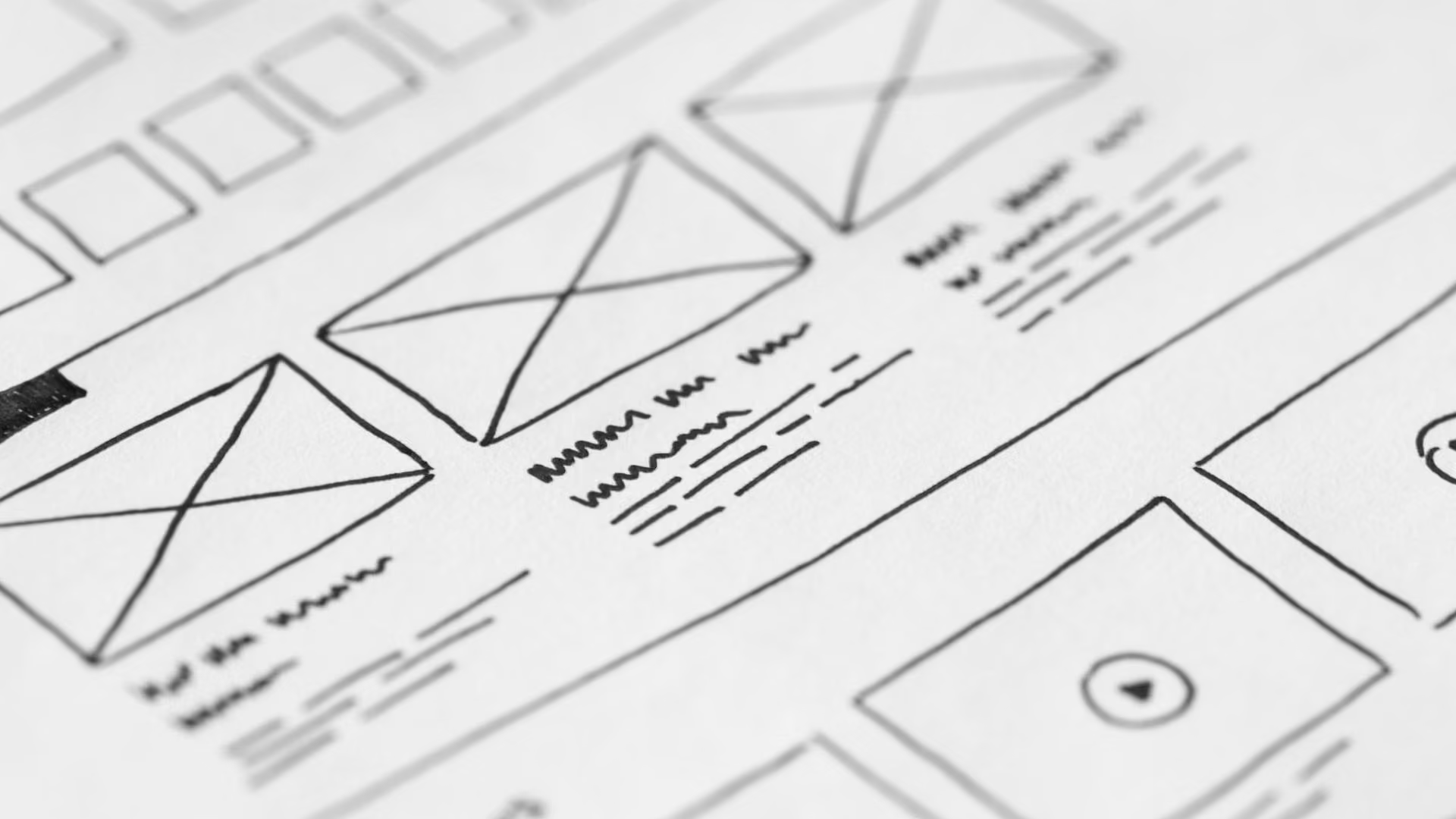
There are three ways, and the decision is yours. A ready-made theme can be used as it is, it can be customised, or the site can be designed from scratch. If your budget and time are tight and your pages are familiar kinds such as about, services and contact, a ready-made theme is often enough. If your brand has its own flow and look, or a theme is slowing your site, custom design pays off. The road in between, customising, is the middle ground for most businesses.
When does a ready-made theme make sense?
When you are a new business and the brand's look has not settled. Investing in custom design at this stage can be early, because what you have to say may change within a year. A ready-made theme also works when you want to get the site live quickly and watch how visitors react. For a corporate site of a few pages whose main job is to inform, a theme often provides a sufficient skeleton.
When does custom design make sense?
When your brand's visual identity has settled and the site should be its extension. On a tango instructor's site we took the black background, the gold tones and the typeface from the dance itself. When the path a visitor should follow does not fit the layout a theme offers, for example when an industrial customer asking for a quote and an individual customer ordering straight away cannot be served on the same page. And when you have speed and accessibility goals. In custom design a page loads only what it uses, so reaching a speed target is easier. We draw that custom layout and flow for your brand as UI design work.
How does a theme licence work?
Buying a theme does not make you its owner. You buy a licence. ThemeForest's standard licence page says a licence covers a single end product. It also states that an agency building sites for clients cannot use one standard licence on multiple clients or jobs. If an agency builds your site with a theme, ask in whose name the licence was bought and for which site.
WordPress adds a separate point. WordPress.org holds that themes and plugins are derivative works of WordPress and inherit the GPL. What that means for commercial themes is a legal grey area, so the licence of a specific theme has to be read in its own licence text.
How is a theme updated, and what happens to customisations?
A theme is updated over the years, and updates carry security fixes. The real trap is editing the theme's files directly. WordPress's developer handbook recommends a child theme and states plainly that a function added to the parent theme's file will disappear the next time the theme is updated. A child theme lets you update the parent without losing your changes. If you want customisation, it should be done this way.
Another risk is that the company selling the theme stops maintaining it one day. When a theme is no longer updated, the rest of the site moves on while the theme stays behind. Before buying, check when the theme was last updated and look at the developer's support page.
Does a ready-made theme slow the site down?
Not always, but it easily can. Many ready-made themes come with a large number of features, sliders and fonts to suit every site. Their code may load with the page even if you do not use them. A theme that looks fast on its demo page runs at a different speed with your images and plugins.
There is a yardstick. Google's Core Web Vitals thresholds count a page as good when the main content loads in 2.5 seconds or less, the response to an interaction takes 200 milliseconds or less and layout shift does not exceed 0.1. A page passes when all three hold at the 75th percentile of page loads. Before buying, measure the theme's demo with PageSpeed Insights and look at the mobile result.
Is there a risk of looking like everyone else?
There is, and it grows with how popular the theme is. Even if you change your colours, logo and photos, the skeleton stays the same, and the order of sections and the spacing feel familiar. If your competitor's site came out with the same theme, a visitor will not see the difference. Sometimes that is no problem, because visitors know what they are looking for and a familiar layout makes it easier. If standing apart matters to you, look at the theme's demo and at sites built with the same theme before buying.
We covered the split between off-the-shelf platforms and custom software for online shops separately in the note on ready-made platform or custom ecommerce. We build all three ways, and we decide with you which one fits. The route with no theme at all, written from scratch around your business, is covered on our custom website page.