Which ERP should you choose? How to decide between Logo, Mikro, Odoo and ERPNext
A local ERP or an open source one? What Logo, Mikro, Odoo and ERPNext offer, and why you should write down how your business works before you pick any of them.

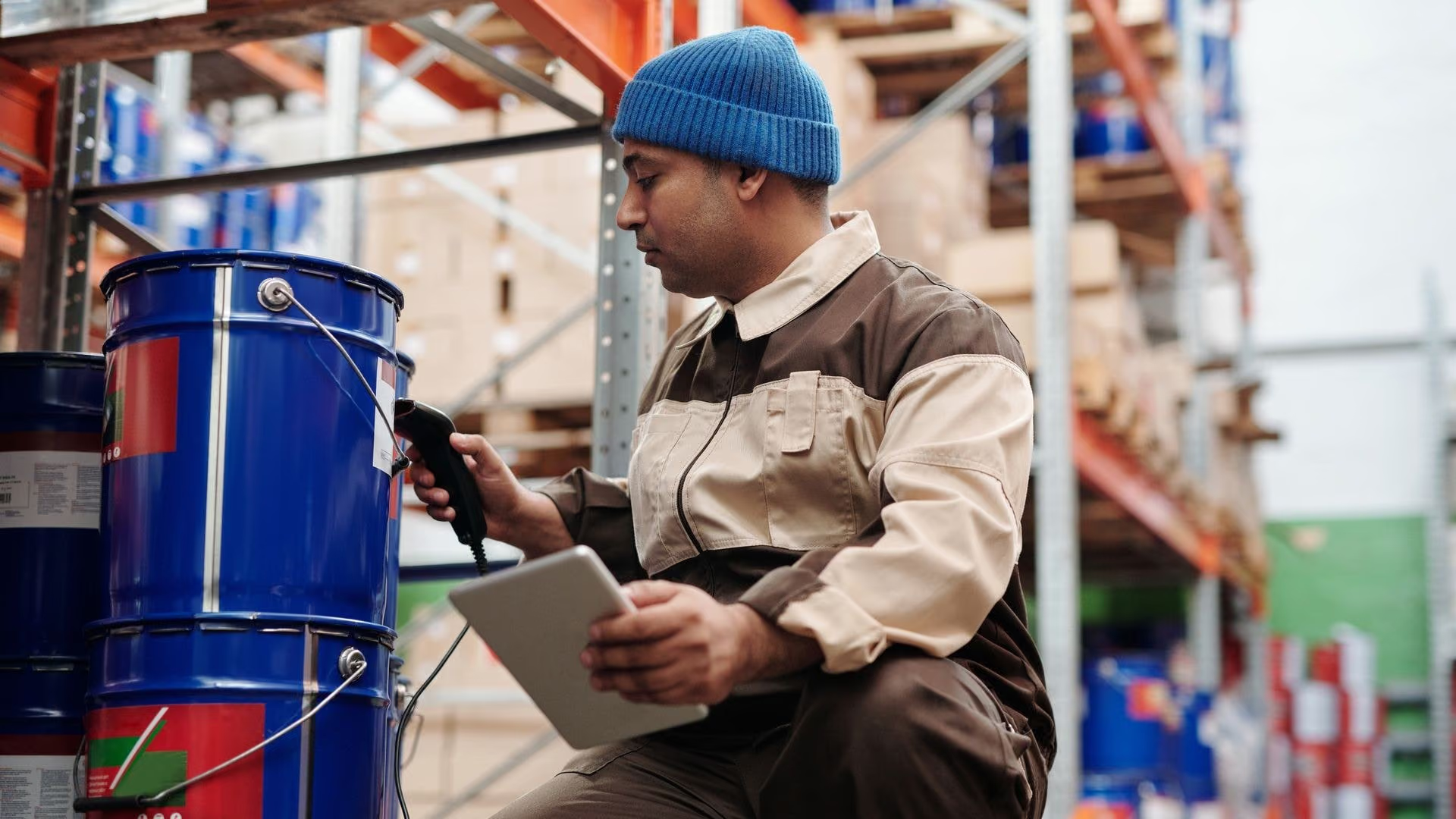
We are not saying one ERP is better than another. The right ERP is the one that fits how your business runs. There are long-established local products and there are open source ones. Whichever you pick, you need a workflow first. Will the accountant issue the customer account and the invoice from the ERP. Will the warehouse person reduce stock in it. Will sales prepare the quote there. If you have no answer to these, the most expensive ERP and the cheapest one get stuck in the same place.
How do the types of ERP differ?
The difference is mostly in how it is sold and who gives you support. Local makers such as Logo and Mikro work through a network of partners, and training and support come from that network. With an open source ERP the software itself is free to use, and you decide who installs and runs it. Below we look at four products as far as their own websites describe them. We do not say which is better or more expensive. We do not quote prices either, because those come from asking each company for a proposal.
What do local ERPs such as Logo and Mikro offer?
Logo divides its products on its site into cloud and on-premise. Logo Cloud is the cloud product. Logo Edge T-Series, N-Series and J-Series are described as on-premise products. The J-Series is presented with a modular structure and rich integration. The same page splits company size into micro, small, medium and large, and says support is available from more than 1,000 Logo partners. Logo Akademi also appears on the site as a separate training platform.
Mikro groups its products by company size. RUN is offered for businesses with 1 to 5 employees, JUMP for 5 to 50 and FLY for those with more than 50. The site says expert training is given through Akademikro and that there are more than 350 partners across Turkey. Its e-commerce section describes managing marketplaces and your own sales channels from one screen. The steps for connecting your own site to Mikro are on our Mikro ERP integration page.
What the two share is that they stress working with Turkish regulations and e-transformation applications, and that they have a training and support network. If that matters to you, meaning a team has to learn the system and someone has to be on the phone when something breaks, local ERPs offer it ready-made.
What is different about open source ERPs such as Odoo and ERPNext?
Odoo comes in two editions. The Community edition is free under the LGPL v3 licence. The Enterprise edition has its own licence and requires a subscription that depends on the number of users. So with Odoo you should learn early where the free part ends and the paid part begins. ERPNext is published as fully open source under the GPL-3.0 licence.
With open source you do not pay a licence fee. But someone has to take on adapting it to Turkey, the e-invoice connection, installation, backups and updates. Either your own team does it or a service provider does. We list these steps for ERPNext on our ERPNext implementation page. If you run it on your own server you own your data, and you also own its upkeep. We explained the real cost of a free ERP in our note on whether you need an ERP.
What should you write down before choosing an ERP?
First, how you work. Put it on paper before you choose software, because an ERP does not think for you. It speeds up what you have already thought through. Look for answers to these. Who will enter customer accounts and invoices. Which movement reduces stock, and can the person in the warehouse do it from a phone or a handheld scanner. Who prepares the sales quote and who approves it. How is a purchase order opened. In ERP selection consulting we also write this down with you first, then match the candidates against it.
Once you have those answers there is one more thing. Habits will have to change. If the buyer carries on working in Excel, the ERP has no point, because stock and cost information is kept in two places and neither can be trusted. The company that installs an ERP installs the software, but getting people to open that screen and use it is your job. So bring one person from every department into the selection from the start.
Which questions should rule candidates out?
Ask whether it does the e-invoice and e-archive work you need, whether it connects to the systems you already use, such as your accounting program or your online store, and how. Ask who will provide installation, training and later support, and for how long. Find out whether you can take your data out if you ever leave. Try two or three candidates on the same scenario, which is one day of your own work.